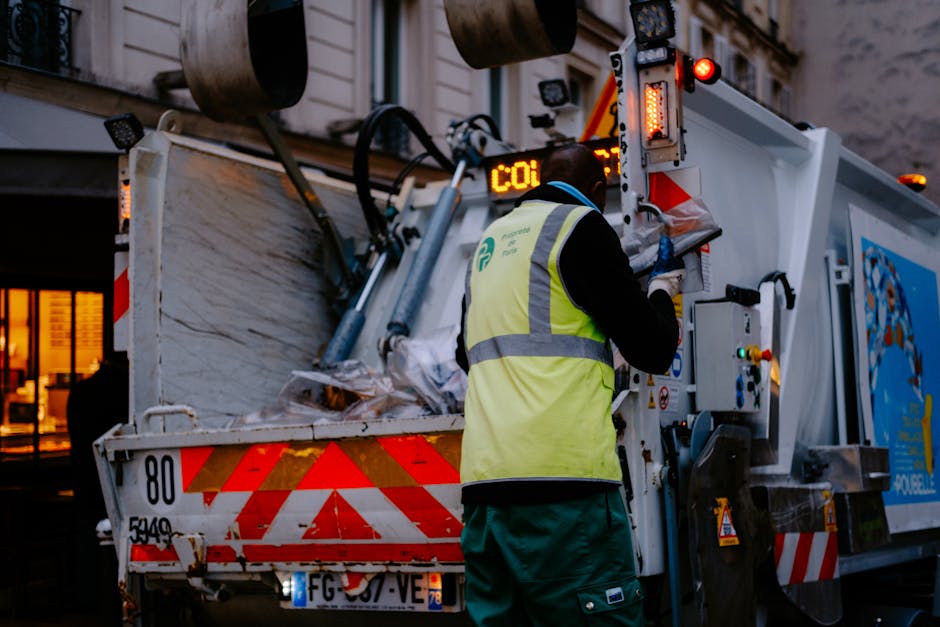
Avoid hidden charges in Wimbledon rubbish removal services
If you have ever booked rubbish removal and then watched the final price creep up at the door, you will know how frustrating it feels. One minute you think you have agreed a straightforward collection, and the next there are extra fees for stairs, heavier items, awkward access, or a bit more waste than expected. To avoid hidden charges in Wimbledon rubbish removal services, you need to know what should be included, what should be questioned, and how a quote is usually built. This guide walks you through the process in plain English, so you can compare services properly and book with a lot more confidence.
Truth be told, most unpleasant surprises are preventable. A little preparation goes a long way, and in a busy place like Wimbledon, where parking, access and property layouts vary so much, the details matter.
Table of Contents
- Why it matters
- How it works
- Key benefits and practical advantages
- Who this is for and when it makes sense
- Step-by-step guidance
- Expert tips for better results
- Common mistakes to avoid
- Tools, resources and recommendations
- Law, compliance, standards, or best practice
- Options, methods, or comparison table
- Case study or real-world example
- Practical checklist
- Conclusion
- Frequently asked questions
Why Avoid hidden charges in Wimbledon rubbish removal services Matters
Hidden charges are not just annoying. They can throw off your budget, delay a clearance, and make a simple job feel oddly stressful. If you are clearing a flat, emptying a garage, dealing with builders' waste, or just getting rid of bulky household items, the price should be clear before anyone turns up. A reliable service should explain how it prices the load, what affects the quote, and whether there are any likely extras.
In Wimbledon, that matters even more because jobs can be surprisingly different from one property to the next. A ground-floor flat with a clear driveway is one thing. A top-floor conversion with narrow stairs, shared access, and limited parking is something else entirely. If the company has not asked the right questions, you may end up paying for assumptions that were never discussed. That is the sort of thing people remember, and not fondly.
There is also a trust element. Transparent pricing tells you a lot about the way a company works. If they are careful about the quote, they are more likely to be careful with the job itself. That does not guarantee perfection, of course, but it is a strong signal.
Key takeaway: the best way to avoid hidden charges in rubbish removal is to make the scope, access, and disposal details crystal clear before booking. Most surprises happen when those basics are left vague.
For services involving mixed waste or specialised items, transparency matters even more. For example, appliance disposal, hazardous items, or large furniture can carry different handling requirements. Pages like fridge and appliance removal and hazardous waste disposal are useful reminders that not everything is priced the same way.
How Avoid hidden charges in Wimbledon rubbish removal services Works
At its core, rubbish removal pricing should follow a simple logic: the company estimates the amount and type of waste, the access involved, the time needed, and any disposal costs. Then it gives you a price based on that information. If the estimate is accurate, the final bill should match the quote or stay within a clearly explained range.
The problem starts when details are missing. A company may quote based on photos alone, but photos can be misleading. A room that looks half full may actually contain dense, heavy items. A pile near the front door may still need carrying down two flights of stairs. A small garden clearance may hide a lot of soil, wet timber, or broken fence panels. You get the idea.
In practical terms, the process usually goes like this:
- You describe what needs removing.
- You share photos or an item list if requested.
- The provider estimates volume, weight, access, and disposal type.
- A quote is issued, ideally with clear terms about what is included.
- The team arrives, checks the load, and confirms whether anything has changed.
- The work is completed and the agreed price is charged unless a genuine, previously discussed change is needed.
If a provider needs more information, that is a good sign, not a bad one. It usually means they are trying to quote properly rather than guessing. That said, they should still explain the basis of the price in a way you can actually understand.
Some companies price by load size, some by item count, and others by labour time plus disposal. For bigger or more specific jobs, such as builders' waste clearance or office clearance, the quote may depend on the nature of the waste and the removal conditions. No mystery there. Just make sure you know which model is being used.
Key Benefits and Practical Advantages
The obvious benefit is financial control. You can plan a move, renovation, or declutter with a real figure in mind instead of a vague guess. But there are a few other advantages that people sometimes overlook.
- Less stress on the day: when the price is settled, the collection feels more predictable.
- Better comparison: clear quotes make it easier to compare providers fairly.
- Faster booking: fewer back-and-forth questions later.
- Fewer disputes: if something is agreed in advance, there is less room for disagreement.
- Better decision-making: you can decide whether you need a full clearance, part-load removal, or another option.
There is also a useful by-product: transparent pricing often improves the quality of the service conversation. If a company is willing to explain costs clearly, it is more likely to be clear about what can be collected, what needs separate handling, and what cannot be taken. That matters if you are dealing with mixed household waste, a tricky loft, or bulky items such as mattress and sofa disposal.
And let's face it, nobody wants a "small extra fee" that somehow appears after the van is already outside your house. It is a peculiar kind of annoyance. Very modern. Very avoidable.
Who This Is For and When It Makes Sense
This advice is useful for almost anyone arranging rubbish removal in Wimbledon, but it is especially relevant if your job is not a simple one-item pickup. If you are clearing a whole room, emptying a property, or dealing with mixed materials, the risk of extra charges tends to rise.
You will get the most value from this approach if you are:
- moving house or flat and need a dependable clearance
- clearing out a loft, garage, or storage space
- disposing of furniture, appliances, or bulky items
- renovating and producing builders' rubble or mixed waste
- running a business and arranging regular waste collections
- sorting a home after a long period of accumulation
For example, a family booking a house clearance will usually need a different conversation from someone disposing of a few pieces of furniture. Likewise, a local office manager looking at business waste removal should expect a clearer service scope, especially if there are documents, confidential items, or recurring collections involved.
If you are not sure which service fits, that is perfectly normal. It is better to pause and ask than to guess and pay for it later.
Step-by-Step Guidance
Here is a simple process you can use before you book any rubbish removal service in Wimbledon.
1. Make a full list of what needs removing
Write down the items in plain terms. Include awkward things like broken wardrobes, appliances, soil bags, or mixed renovation debris. If you are clearing a room, do a quick walk-through and note what is left. A list sounds basic, but it helps prevent the classic "oh, and there was also..." moment.
2. Take clear photos from more than one angle
One photo is rarely enough. Take wide shots and a couple of close-ups. If stairs, alley access, parking restrictions, or lift use will affect the job, show those too. A good quote needs context, not just a pile on the floor.
3. Ask what the quote includes
Do not just ask "how much?" Ask what is included: labour, loading, disposal, parking, congestion-related access, and VAT if relevant. If the company uses a minimum charge, ask how that works. This is where hidden costs often live, quietly in the fine print.
4. Clarify how access affects pricing
Some places are straightforward. Others are not. If the team has to carry waste a long way, use stairs, wait for access, or work around narrow entrances, ask whether that changes the price. Good providers explain this in advance, not after the fact.
5. Confirm special-item handling
Items such as fridges, sofas, mattresses, and potentially hazardous materials may need separate treatment. If you have any doubt, mention them early. It is much better to ask than to discover the issue on collection day.
6. Get the quote in writing
Even a short written confirmation is useful. It gives you something to refer back to if there is confusion later. If the company sends an email or booking summary, read it properly. Boring, yes. Useful, absolutely.
7. Check the terms before the van arrives
Look for wording about access changes, waiting time, prohibited items, and rescheduling. A quick read can save a lot of hassle. It may not be thrilling bedtime reading, but neither is a surprise surcharge.
Expert Tips for Better Results
A few small habits make a big difference. In our experience, the customers who avoid hidden charges are not necessarily the most experienced. They are simply the ones who ask clear questions and give clear information.
- Be honest about volume: underestimating waste usually backfires.
- Mention heavy or dense items: bricks, rubble, wet wood, and similar materials can affect pricing.
- Flag access issues early: stairs, basements, permits, or parking limitations should not be a surprise.
- Separate reusable items if possible: some furniture may be better handled through furniture clearance or furniture disposal, depending on condition.
- Ask for a price basis: item-based, load-based, or labour-based pricing should be clear.
- Keep your wording consistent: if you say "a small load," do not later describe a full van's worth of stuff.
One very practical tip: if you are unsure whether your waste includes restricted items, ask before the booking is finalised. That is particularly sensible for electrical items, appliances, or mixed materials. A clean answer now beats a messy discussion on the pavement later.
A second tip, and this one sounds almost too simple, is to treat the cheapest quote with caution if it is also the vaguest. Cheap can be fine. Vague is the issue.
Common Mistakes to Avoid
The most common error is failing to describe the waste properly. People often assume the provider will "see what they mean" from one blurry picture or a casual message. Sometimes that works. Often it does not. The result is a price revision, or worse, a frustrating stand-off.
Other mistakes include:
- Ignoring access details: a service can be fair and still charge more if the job is harder than described.
- Not asking about minimum charges: this matters for small collections.
- Forgetting special items: appliances, mattresses, and hazardous materials may not sit in the standard price.
- Assuming all waste is treated the same: mixed waste, green waste, builder's rubble and general household items may be handled differently.
- Skipping the terms and conditions: boring, yes, but usually where the tricky bits live.
There is also a behavioural mistake: trying to squeeze everything into the cheapest possible quote by leaving things out. That often costs more in the end. If the team arrives and the job is bigger than expected, the price can change. Fair enough, really. The issue is not the change itself, but the surprise.
If your job is related to outdoor clearance, you may also want to compare it with garden clearance. For storage areas, garage clearance and loft clearance are often better starting points because they frame the job more accurately.
Tools, Resources and Recommendations
You do not need specialist software to avoid hidden charges. A notebook, camera phone, and a few sensible questions will do most of the work. Still, there are a few practical tools worth having ready.
- Photo set: take 4 to 6 pictures covering the whole load and access points.
- Item list: note large objects separately.
- Measurement rough notes: approximate length, width, or number of bags can help.
- Booking summary: keep the written quote and any confirmation messages.
- Payment check: review the company's payment and security information before paying a deposit or sharing details.
Useful website pages can also help you understand what a provider expects from you. For example, pricing and quotes is the kind of page that should explain how costs are formed, while recycling and sustainability can indicate whether the company is thinking carefully about how waste is handled.
If you are comparing skip hire with rubbish removal, it is also smart to read what can go in a skip. That can help you decide whether a skip or a man-and-van style clearance suits your waste better.
Law, Compliance, Standards, or Best Practice
Without turning this into a legal lecture, there are some basic standards worth keeping in mind. In the UK, waste must be handled responsibly, and reputable operators should be able to explain how they manage disposal, transport, and safety. You do not need to know every detail of waste law to protect yourself, but you should expect professionalism.
Best practice usually includes:
- clear written pricing or a clear pricing explanation
- honest description of any extra charges before work starts
- safe handling of waste, especially heavy or sharp items
- proper treatment of restricted or hazardous materials
- respect for access, neighbours, and shared spaces
If you are arranging removal for a workplace, be mindful of document confidentiality too. A service such as confidential shredding may be more appropriate for records than general waste disposal. That is a small but important distinction.
Also, safety matters. A provider that explains its health and safety policy and insurance and safety standards is showing the kind of diligence you want. In plain terms: fewer excuses, fewer risks, better outcomes.
If a clearance involves specialist waste, do not guess. A bit of caution is sensible, especially with items that may need separate processing. Better to slow down for one minute than deal with a headache later.
Options, Methods, or Comparison Table
There are a few common ways to handle rubbish removal in Wimbledon, and each one has a different pricing profile. Choosing the right method is one of the easiest ways to avoid hidden charges in the first place.
| Method | Best for | Price clarity | Watch-outs |
|---|---|---|---|
| Item-based removal | Single bulky items or a small number of pieces | Usually clear if items are listed properly | Can rise if extra items are added on the day |
| Load-based clearance | Mixed household or office waste | Good when volume is well described | Volume estimates can be off if photos are unclear |
| Labour-plus-disposal | Complex access or heavier jobs | Can be fair, but needs explanation | Time, waiting, or access fees may appear if not agreed first |
| Specialist disposal | Appliances, hazardous waste, or specific materials | Clear when item type is known | Not suitable if you try to bundle in unrelated waste |
For instance, a straightforward sofa pickup may be easier to price than a mixed garage clearance full of old paint tins, broken shelving, and a fridge. That does not mean the bigger job is a problem. It just means the conversation needs more detail.
If you are looking at specific collections, pages like mattress and sofa disposal can help you identify when a specialist approach makes more sense than a general rubbish removal request.
Case Study or Real-World Example
Here is a realistic example. A Wimbledon resident wants to clear a spare room before guests arrive. The room contains a broken bed frame, two bags of clothes, an old desk, and a couple of boxes from the loft. They send one photo and ask for a rough price. The quote comes back quickly, but it only covers the obvious items from the photo.
On the day, the team finds additional clutter in the wardrobe, a large mirror, and a set of heavy drawers hidden behind the door. Nobody is being difficult here. The original description was just incomplete. The result is a revised price, and the customer feels blindsided.
Now compare that with a second customer who sends several photos, mentions the wardrobe contents, notes that the room is on the second floor, and asks whether the quoted price includes labour and disposal. That customer is much less likely to face a surprise. Same kind of job. Very different outcome.
It is a simple lesson, but an important one: the clearer your brief, the cleaner your quote. That usually holds true whether you are clearing a flat, a loft, or a home office with more cables than sense.
Practical Checklist
Use this checklist before you confirm any rubbish removal booking:
- Have I listed everything that needs removing?
- Have I shared clear photos from more than one angle?
- Have I mentioned stairs, parking, distance, or access issues?
- Have I asked whether the quote includes labour, loading, and disposal?
- Have I checked for minimum charges or extra fees?
- Have I flagged bulky, heavy, electrical, or unusual items?
- Have I asked what happens if the load turns out to be larger than expected?
- Have I kept the quote in writing?
- Have I read the booking terms carefully?
- Have I checked whether the service type fits my waste?
If you can tick most of those boxes, you are already in a much better position than many people who book in a rush. And really, that little bit of admin saves a lot of grief.
Conclusion
To avoid hidden charges in Wimbledon rubbish removal services, focus on clarity, not guesswork. Describe the waste properly, ask how the quote is built, and confirm what is included before the van turns up. That simple approach protects your budget and makes the whole experience feel much calmer.
In the end, the best rubbish removal services are the ones that leave you feeling informed, not cornered. You should know what you are paying for, why you are paying it, and what will happen on the day. Nothing fancy. Just honest, practical service.
Get a free quote today and see how much you can save.
And if you are still weighing up your options, start with the information that matters most. A clear quote, a clear scope, and a clear plan. That is usually enough to make a good decision.
Frequently Asked Questions
How do I avoid hidden charges when booking rubbish removal in Wimbledon?
Give a full description of the waste, share clear photos, ask what the quote includes, and confirm whether access, stairs, or special items could change the price. Written confirmation helps too.
Why do rubbish removal quotes change on the day?
Quotes change when the actual job differs from the description. The most common reasons are extra items, heavier waste, poor access, or items that need separate handling.
Should rubbish removal prices include loading and disposal?
They often should, but not always in the same way. That is why it is worth asking. A proper quote should explain whether labour, loading, disposal, and VAT are included.
Are photos enough for an accurate quote?
Photos help a lot, but they are not perfect. Use multiple angles and mention anything hidden, such as items behind doors, in cupboards, or on upper floors.
What are the most common hidden charges?
Common extras include difficult access fees, waiting time, additional waste, special item charges, and separate handling for appliances or hazardous materials.
Can I save money by bundling different types of waste together?
Sometimes, yes, but only if the provider is told exactly what is included. Mixed waste can be fine, but unclear waste descriptions are what usually cause price changes.
Do I need a specialist service for appliances or bulky furniture?
Often, yes. Fridges, sofas, mattresses, and similar items may be priced or handled differently. It is sensible to mention them early and check the service type.
Is the cheapest quote always the best choice?
No. A cheap quote with vague wording can end up costing more. Clear pricing and clear terms are usually better value than a low number with lots of caveats.
What should I check in the terms and conditions?
Look for minimum charges, access rules, cancellation terms, items not accepted, and any situations where the quoted price may change.
How can Wimbledon property access affect the price?
Stairs, narrow hallways, long carrying distances, no parking, and shared entrances can all affect time and labour. A good provider will ask about these things early.
Is written confirmation important for rubbish removal?
Yes, very. Even a short email or booking summary can prevent misunderstandings if there is a question about price or scope later on.
What if I am not sure how much rubbish I actually have?
Say so. Honest uncertainty is better than a guess. A decent provider can often help you estimate the load from photos, item counts, or a short description.