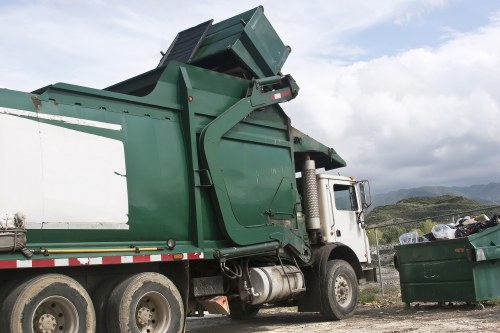
Flat Clearance Wimbledon: Recycling and Sustainability Commitment
At Flat Clearance Wimbledon we treat every job as an opportunity to support an eco-friendly waste disposal area mindset across Wimbledon and the wider borough. Our Wimbledon flat clearance teams prioritise reuse, recycling and low-impact disposal so that every item removed from a property is handled with environmental care. We work to make the clearance process part of a local circular economy, not a one-way trip to landfill. Our approach blends practical service with measurable targets and community partnerships, keeping the borough's waste separation systems in mind.
Our sustainability strategy for flat removals in Wimbledon includes a clear recycling percentage target and transparent reporting. We have set a company-wide goal to achieve a 75% recycling and reuse rate for all materials collected during clearances by 2028. This target covers diversion to recycling streams, reuse through charity partnerships, material reclamation and selective transfer to energy-from-waste facilities only when recycling is not feasible.
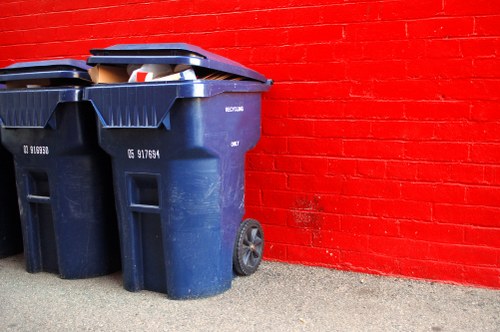 We know that successful sustainable rubbish area management relies on close coordination with the boroughs' approach to waste separation. In practice that means our teams sort waste into the main local streams: general mixed recycling, paper and card, glass, plastics, metals and food/organic waste where available. The London boroughs around Wimbledon increasingly emphasise separate food waste collection and easy local access to recycling points, and our crew adapts to local container requirements to speed processing and reduce contamination.
Partnerships with Charities and Reuse Organisations
We prioritise donation and reuse whenever possible. Through formal partnerships with local charities and community projects, furniture and household items that are still usable are diverted to organisations that serve those in housing need. Our network includes local furniture re-use charities, hospice shops and social enterprises that accept small appliances and textiles that are in working order.
- Furniture reuse — sofas, tables, wardrobes and beds suitable for donation;
- Small appliances and electronics — working items are assessed and handed to partner organisations;
- Textiles and soft furnishings — sorted for charity collection or specialist recycling.
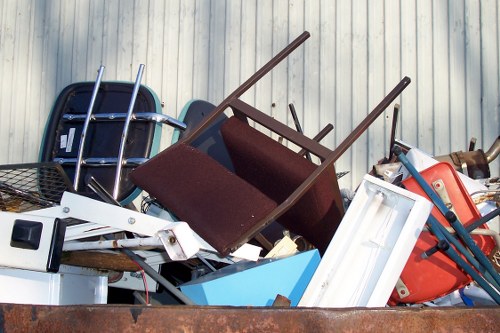 Working with charities reduces waste processing costs and supports vulnerable local people. Where items cannot be reused, we channel materials into municipal recycling systems or accredited reuse and material recovery facilities to maintain the highest diversion rates for Wimbledon clearance work.
Local Transfer Stations and Responsible Disposal
Our logistics rely on established transfer stations and household waste recycling centres in Merton and neighbouring boroughs. We deliver sorted loads to local transfer stations and accredited material recovery facilities that prioritize recycling and resource recovery over landfill. By using nearby transfer points we cut journey times, reduce emissions, and keep materials in the local supply chain for processing.
Examples of how we coordinate with local infrastructure:
- Direct loads to borough transfer stations for glass, metal and mixed recycling;
- Separate wood and construction-type waste for processing at wood recyclers or chipping facilities;
- Send residual non-recyclables to licensed energy-from-waste where recovery is highest, only after reuse and recycling options are exhausted.
Low-carbon vans and route optimisation form the backbone of our low-impact fleet. We operate a mix of electric and low-emission hybrid vans alongside Euro 6 vehicles for larger loads. Efficient route planning software minimises mileage, and load consolidation reduces the number of trips to transfer stations — all designed to lower CO2 emissions for Wimbledon flat clearance operations.
Practical Recycling Activities and Local Policy Alignment
Our teams are trained to follow local recycling guidelines and to communicate clearly about which items can be accepted for reuse or recycling. We maintain an internal checklist aligned with borough-level separation standards: glass bottles and jars cleaned and separated, paper and card boxed, plastics and tins flattened where possible, and food waste separated into caddies when collected. This alignment reduces contamination and increases the volume of material successfully recycled.
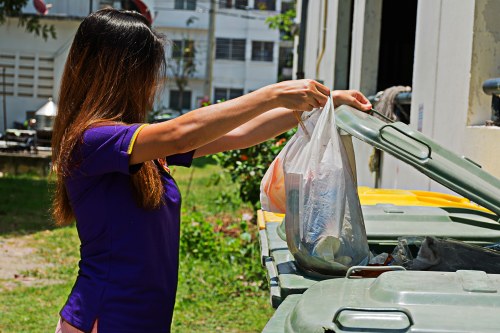
 We also focus on creating a visible, well-managed sustainable rubbish area at properties we clear, leaving remaining communal waste points in order and ensuring that any temporarily stored materials are safe and clearly labelled for collection or handover to partners. This reduces fly-tipping risk and supports local council collection teams.
 Commitment to measurable improvement is central to Flat Clearance Wimbledon. We publish internal progress against our recycling target, invest in carbon reporting, and continually expand charity partnerships and low-carbon vehicle uptake. By blending local knowledge of borough separation systems, collaboration with transfer stations and charities, and a low-emission fleet, our Wimbledon clearance service aims to be a model for eco-friendly waste disposal area management across London. We invite residents and property managers to choose Wimbledon flat clearance options that support reuse, reduce waste and help build a more sustainable neighbourhood.