Merton Council garden waste rubbish rules Wimbledon SW19: a practical local guide
If you live in Wimbledon SW19 and you are staring at a pile of hedge clippings, dead leaves, old plant pots, and a few bags of mixed rubbish, you are not alone. Garden clear-outs sound simple until you run into council rules, collection limits, and the awkward question of what counts as garden waste and what very much does not. This guide explains Merton Council garden waste rubbish rules Wimbledon SW19 in plain English, so you can sort it properly, avoid rejected waste, and decide the easiest way to get rid of everything without making a mess of your weekend.
Truth be told, most people only think about this when the wheelie bin is already full and the back gate has a small jungle growing through it. That is exactly when clear guidance helps. Below you will find the practical differences between garden waste, general rubbish, recyclable green material, bulky items, and situations where a local clearance service can save time.
For readers comparing disposal options, it can also help to understand related services such as garden clearance and broader waste removal support when the job is bigger than one bin lid can handle.
Table of Contents
- Why Merton Council garden waste rubbish rules Wimbledon SW19 Matters
- How Merton Council garden waste rubbish rules Wimbledon SW19 Works
- Key Benefits and Practical Advantages
- Who This Is For and When It Makes Sense
- Step-by-Step Guidance
- Expert Tips for Better Results
- Common Mistakes to Avoid
- Tools, Resources and Recommendations
- Law, Compliance, Standards, or Best Practice
- Options, Methods, or Comparison Table
- Case Study or Real-World Example
- Practical Checklist
- Conclusion
- Frequently Asked Questions
Why Merton Council garden waste rubbish rules Wimbledon SW19 Matters
Garden waste sounds harmless, but the rules around it matter more than many households expect. Why? Because a bag of grass cuttings is not the same thing as a bag of mixed household rubbish, and councils usually treat them differently. If you mix them together, the load can become harder to recycle, more expensive to remove, or simply not accepted at all.
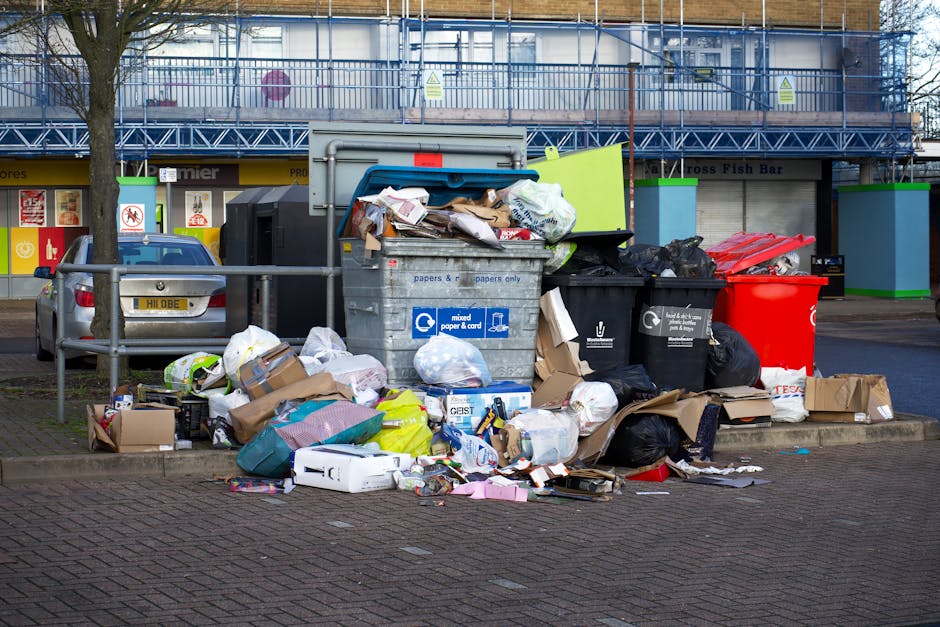
In Wimbledon SW19, that distinction is especially useful for busy households, landlords, and anyone doing a spring clean after a long stretch of overgrown borders. A neat stack of pruning waste can often be managed quite efficiently. A mixed pile with broken plant pots, old soil bags, timber, and general junk? That is a different story entirely.
It also matters because getting the sorting wrong often creates avoidable hassle. You may end up re-bagging waste, waiting for another collection slot, or paying for removal that could have been cheaper if the material had been separated first. No one wants to drag heavy sacks back across the patio twice. Been there, regretted that.
For homeowners, tenants, and small landlords, the wider point is simple: proper sorting helps keep outdoor areas tidy, reduces fly-tipping risk, and makes collection or disposal smoother. And yes, in a place like Wimbledon where gardens can be compact but very well used, every bag and wheelie bin tends to count.
Expert summary: the smartest approach is to separate clean green waste, general rubbish, and bulky items before you book a collection or put anything out for disposal. That one habit solves a surprising number of problems.
How Merton Council garden waste rubbish rules Wimbledon SW19 Works
At a practical level, garden waste rules usually revolve around what material is clean, what is contaminated, and how it is presented for collection. In plain terms, organic garden material such as grass cuttings, leaves, weeds, and small pruning offcuts is usually treated differently from mixed rubbish like food waste, broken furniture, or plastic packaging.
The key idea is separation. If your waste is mostly plant-based and uncontaminated, it is generally much easier to manage. If it includes non-organic material, it may need a different collection route or a different disposal method. That is why the same pile in the shed can end up being split into two or three categories once you look properly.
A typical Wimbledon garden clear-out might include:
- grass cuttings
- hedge trimmings
- leaves and twigs
- small branches
- soil from light potting work
- old compost bags
- broken plant pots
- weathered garden furniture or spare bulky items
Not all of those belong together. That is the catch. Clean green material is one stream; bulky garden junk is another; and mixed household rubbish should be handled separately again.
A practical example: if you cut the hedge, sweep the lawn, and then throw in a cracked watering can and a few bits of old packaging, you have already moved away from straightforward garden waste. That does not mean the material is impossible to dispose of. It just means you need a more suitable route.
If you are trying to clear larger amounts quickly, it can be useful to compare garden-only disposal with a fuller home clearance or even house clearance service when the garden work is part of a broader declutter.
Key Benefits and Practical Advantages
Following the right local rules is not just about avoiding problems. It can actually make garden maintenance easier and cheaper in the long run. Sounds boring? Maybe a bit. But the benefits show up quickly once you start doing it properly.
- Cleaner collections: properly separated waste is easier to process and less likely to be rejected.
- Less back-and-forth: you spend less time re-sorting bags after the fact.
- Better recycling outcomes: clean green waste can often be recovered more effectively than mixed rubbish.
- Safer handling: putting sharps, broken glass, or unknown materials into the wrong pile creates avoidable risk.
- Less clutter around the home: once you know what goes where, it is easier to keep the shed, side return, and front path clear.
There is a more subtle benefit too: good sorting tends to make garden work feel lighter. A tidy stack of labelled sacks, a separate heap of branches, and one container for the odd bits that do not belong in the green bin can make a project look half-finished in the best possible way. You can see progress. That matters on a damp Saturday afternoon when the sky is grey and the compost heap has opinions.
For people planning a bigger refresh, the right approach can also reduce the cost of disposal. A load of clean garden waste is often simpler than a mixed clearance job. If you are comparing options, take a look at services such as pricing and quotes before deciding whether to do it yourself or hand it over.
Who This Is For and When It Makes Sense
This guide is useful for a lot of people, not just keen gardeners. If you live in Wimbledon SW19 and your outdoor space regularly produces waste, the rules affect you. That could be a small terrace garden, a shared courtyard, a front garden with hedging, or a larger family plot that seems to shed leaves no matter what season it is.
It makes sense for:
- homeowners trimming hedges or clearing borders
- tenants tidying a rental garden before move-out
- landlords preparing a property for inspection or new tenants
- older residents who want a simple, low-effort disposal plan
- busy families managing the aftermath of weekend gardening
- people combining garden work with loft, garage, or house decluttering
It also matters if you are dealing with mixed waste after a storm, landscaping project, or long-overdue clear-out. In those cases, the "garden waste" label can be misleading. What looks like a harmless pile may actually contain soil, broken fencing, plant waste, packaging, old toys, and random bits of metal. That is exactly where a more careful sort pays off.
Ask yourself a simple question: is this just garden growth, or is it a broader clean-up? That one question will save time more often than not.
Step-by-Step Guidance
Here is a practical way to handle garden waste in Wimbledon SW19 without making the process harder than it needs to be.
1. Separate the waste at the source
Start by splitting everything into rough groups. Keep green organic waste in one pile, bulky items in another, and general rubbish somewhere else. This is the bit most people skip, and then they pay for it later in time and effort.
2. Remove contamination
Take out plastic ties, plant labels, broken tools, drink cans, rubble, and anything else that does not belong with garden waste. Even a small amount of contamination can turn a clean pile into a mixed load. It is a bit like making tea and then discovering the milk has gone off. Not ruined forever, but close enough to be annoying.
3. Decide what can stay at home and what must go
Some material can be composted on site, such as grass clippings and leaves, depending on your setup. Other waste, like diseased plants, invasive weeds, or bulky broken items, may be better removed completely. If you are not sure, err on the side of caution and keep suspicious material separate.
4. Choose the right disposal route
For small amounts, a council-approved collection or regular garden waste service may be enough. For bigger volumes or mixed waste, a private clearance service may be the more practical option. If you need to compare garden-only and all-in removal, it is worth reviewing garden clearance alongside broader options like builders waste clearance if your project includes landscaping or hard-surface work.
5. Book or schedule in advance
Do not leave disposal to the final hour if you can avoid it. A bit of planning means less pile-up by the side gate and fewer bags sitting around in the rain. If you want a quick route, a booking page such as book online can help streamline the process when you already know roughly what needs going.
6. Present the waste neatly
Whatever collection route you use, a tidy presentation helps. Tie branches into manageable bundles. Use strong bags for cuttings. Keep sharp or heavy items separate. That sounds basic, but honestly, it makes a huge difference.
Expert Tips for Better Results
After enough clear-outs, you start to notice the small things that make a job easy rather than awkward. Here are the habits that tend to help most.
- Cut waste down before bagging it: short branches and compact clippings are easier to handle than awkward long stems.
- Keep dry and wet waste apart where possible: wet grass gets heavy fast, and no one enjoys hauling soggy bags across a narrow side passage.
- Check for hidden items: old plant pots, broken trellis, stones, and forgotten tools often hide under the obvious green waste.
- Use strong bags or containers: thin bags split at the worst possible moment. Usually when you are halfway to the front gate. Of course.
- Think beyond the garden: if the same job also includes loft clutter, broken furniture, or old appliances, plan the whole removal in one go.
A useful rule of thumb is this: if a waste pile looks mixed at a glance, it probably is. If it looks green, clean, and light, you are on safer ground. Small distinction, big difference.
For households trying to keep costs sensible, learning a little about recycling and sustainability can help you separate materials before paying for removal. That is not about being perfect. It is just about being efficient.
Common Mistakes to Avoid
Most disposal headaches come from a handful of predictable mistakes. The good news is that they are easy enough to avoid once you know what to look for.
- Mixing green waste with general rubbish: this is the most common one and the easiest to prevent.
- Including soil, rubble, or stones without checking first: these materials may need different handling from plant waste.
- Leaving out oversized branches: long or heavy branches can be awkward for collection teams and may need cutting down first.
- Forgetting about contaminated items: bags, netting, plastic pots, and broken household objects should not be hidden inside garden waste.
- Assuming all "garden" items are treated the same: a broken lawnmower part is not the same as hedge clippings.
- Waiting until the pile grows too large: by the time the space feels cramped, the job usually takes longer and costs more.
One slightly annoying truth: the garden is often the place where people stash things they do not know what else to do with. Old chair? Corner of the patio. Broken table? By the fence. Empty bags? Behind the shed. Before long, the "garden waste" pile has become a full-blown mystery.
The fix is simple. Sort early, sort honestly, and do not throw in "just one more thing" because it seems harmless. Those are the bits that cause trouble later.
Tools, Resources and Recommendations
You do not need a big toolkit to handle garden waste well, but a few practical items can make the job much smoother.
- Heavy-duty rubble sacks or refuse sacks: useful for leaves, weeds, and small cuttings.
- Tarpaulin or groundsheet: handy for gathering prunings in one place before bagging.
- Secateurs, loppers, and a pruning saw: these help cut down large branches into manageable pieces.
- Gloves: essential for thorny shrubs, damp waste, or hidden debris.
- Wheelbarrow or sturdy tub: helpful for moving heavy loads without wrecking your back.
- Labels or marker pens: useful if you are separating garden waste from other clearance material.
For bigger jobs, it can also help to compare removal types before you start. If the issue is mainly household clutter spilling into the garden, a flat clearance or garage clearance may solve more than one problem at once. If the garden includes old furniture or storage items, furniture clearance can be a sensible next step.
And if you need a better sense of costs before committing, the pricing and quotes page is the natural place to start. No drama, just clarity.
Law, Compliance, Standards, or Best Practice
Garden waste disposal is not just a practical matter; there are compliance and environmental expectations around it too. While rules can vary depending on the type of material and the disposal route, the safest best practice is to keep waste streams separate, avoid contamination, and use approved collection methods.
For residents, the main responsibility is usually straightforward: do not place prohibited items in the wrong collection, do not dump waste on land or pavements, and do not leave material in a way that creates nuisance, obstruction, or a fly-tipping risk. That may sound obvious, but in real life it is often where problems begin.
If you are hiring someone to remove waste, it is sensible to check that the service operates safely and handles disposal responsibly. You do not need to become an expert in waste law, but you should expect a provider to take safety, handling, and lawful disposal seriously. A proper operation should also be able to explain what happens to the waste and how it is separated where relevant.
For example, if a job includes sharp items, heavy lifting, or contaminated loads, the service should use suitable safety controls. That is one reason pages such as insurance and safety and health and safety policy matter to anyone comparing providers. These details are not glamorous, but they are the bits that protect everyone involved.
Best practice is simple enough: sort carefully, store safely, and choose a route that matches the waste type. If there is any uncertainty, keep questionable material separate and ask before disposal. Better to pause for ten minutes than create a compliance headache later.
Options, Methods, or Comparison Table
There is more than one way to deal with garden waste in Wimbledon SW19. The right choice depends on volume, waste type, budget, and how quickly you need the space back.
| Option | Best for | Pros | Watch-outs |
|---|---|---|---|
| Composting at home | Leaves, grass, soft clippings | Low cost, environmentally sensible, easy for ongoing maintenance | Not suitable for mixed rubbish or bulky items |
| Council-style green waste route | Regular garden material | Structured, usually simple for routine amounts | May have limits on contamination, size, or presentation |
| Private garden clearance | Large or awkward piles | Fast, flexible, helpful for bigger clear-outs | Usually better value when the load is substantial |
| Full household or property clearance | Mixed garden and indoor clutter | Useful when the problem is wider than the garden | Can be more involved than a simple green waste job |
There is no single winner for every household. A neat little border tidy-up is one thing; a whole back-garden overhaul after months of neglect is another. If you have a lot of mixed material, a broader service can be the calmer option. It just is.
In some cases, related services such as furniture disposal or fridge and appliance removal may be relevant if the garden has become the storage spot for old household items. Happens all the time, especially after a shed tidy-up uncovers more than you expected.
Case Study or Real-World Example
Here is a realistic Wimbledon scenario. A homeowner in SW19 has let the rear garden get away a bit over the spring. There are hedge trimmings, a few bags of leaves, three cracked plant pots, an old parasol base, and a broken bench seat that has been sitting outside for months. The first instinct is to put everything into one pile and call it "garden waste". Understandable. But it is not the cleanest approach.
What works better is to split the load into three groups: green waste, recyclable or reusable outdoor items, and bulky rubbish. The hedge trimmings and leaves go together. The broken bench and parasol base are treated separately. The cracked pots are checked individually because some may be recyclable depending on material and condition, while others may just be rubbish. The result is a smaller, neater disposal problem and far less confusion.
In practice, the homeowner now knows what can be bagged, what needs lifting, and what needs a different route. The patio is clear, the side return is walkable again, and the whole place feels calmer by the evening. A small win, but a real one. You know the feeling when a garden starts breathing again.
If the same property had also included a cluttered garage, the sensible next move might have been a combined clearance. That is where a garage clearance or even a broader house clearance can turn a drawn-out weekend into one organised visit.
Practical Checklist
Use this simple checklist before you dispose of garden waste in Wimbledon SW19.
- Have I separated green waste from general rubbish?
- Have I removed plastic, metal, glass, and broken household items?
- Have I cut oversized branches down to manageable lengths?
- Have I checked whether soil, rubble, or stones need different handling?
- Have I put sharp or heavy items somewhere safe?
- Have I decided whether composting, council collection, or private clearance is the right route?
- Have I checked for mixed clutter hidden in the garden pile?
- Have I chosen bags or containers strong enough for the load?
- Have I planned the job so waste is not left sitting out too long?
- Have I compared the cost and convenience of doing it myself versus booking help?
If you can tick most of those off, you are in good shape. If not, no panic. A little sorting now will save a lot of aggravation later.
Quick takeaway: clean green waste is usually straightforward, mixed rubbish is where the trouble starts, and the best results come from separating everything before you move it.
Conclusion
Garden waste disposal in Wimbledon SW19 is much easier once you understand the basic pattern: keep green waste clean, separate general rubbish, and treat bulky items as a different category altogether. That is the heart of Merton Council garden waste rubbish rules Wimbledon SW19 in real life. Not glamorous, but very useful.
For small ongoing jobs, good sorting and a bit of routine upkeep may be enough. For bigger clear-outs, mixed loads, or awkward outdoor clutter, a professional clearance option can save time and reduce stress. The main thing is not to let the pile grow into something annoying and unmanageable. Because once it does, the garden stops feeling like a garden and starts feeling like a storage yard. Nobody wants that.
Get a free quote today and see how much you can save.
If you want the simplest next step, look at the size of the waste, separate what you can, and choose the disposal route that feels least disruptive. A tidy garden has a funny way of making everything else feel a bit lighter too.
Frequently Asked Questions
What counts as garden waste in Wimbledon SW19?
Garden waste usually means natural outdoor material such as grass cuttings, leaves, weeds, hedge trimmings, and small branches. Anything mixed with household rubbish, packaging, or broken non-organic items should be treated separately.
Can I put soil in with my garden waste?
Sometimes, but not always in the same way as green waste. Soil can be heavy and may need different handling from light plant material. If you are unsure, keep it separate until you check the best route.
Can I include plant pots and broken tools with garden waste?
Usually no, not with clean garden waste. Plant pots, tools, and similar items are non-organic and often belong in a separate disposal stream depending on the material and condition.
What should I do with large branches?
Large branches are best cut down into manageable pieces before disposal. That makes collection easier and reduces the chance of the waste being awkward to handle.
Is it better to compost garden waste at home?
If you have the space and the right material, composting can be a sensible option for leaves, grass, and soft clippings. It is less suitable for mixed rubbish, diseased plants, or bulky items.
What happens if I mix rubbish with garden waste?
Mixed waste can be harder to recycle and may not be accepted as clean green waste. In practice, it often means more sorting, more time, and sometimes a different disposal route.
Do I need a clearance service for a small garden tidy-up?
Not always. Small amounts can often be dealt with through normal sorting or local collection options. A clearance service becomes more useful when the load is bulky, mixed, or time-sensitive.
How do I know if my waste is too mixed for a simple garden collection?
If the pile contains branches, leaves, broken furniture, pots, packaging, and household junk together, it is probably a mixed load. That usually needs more than a standard green waste approach.
Is it cheaper to sort garden waste myself first?
Usually, yes. Cleanly separated waste is easier to deal with, and it may reduce the need for a more involved collection. Even so, the right answer depends on how much time and effort you want to spend.
What if my garden waste includes old outdoor furniture?
Old furniture should usually be treated as bulky waste rather than garden waste. If it is made of wood, metal, or mixed materials, it may need a separate furniture removal route.
Can a clearance service take both garden waste and indoor clutter?
Often yes, and that can be the most efficient option if the garden clean-up is part of a bigger declutter. For example, a service may be useful alongside loft, garage, or house clearance when the whole property needs attention.
How do I avoid waste being rejected?
Keep garden waste clean, dry where possible, and free from contamination. Separate sharp, heavy, and non-organic items early. A little preparation goes a long way, honestly.