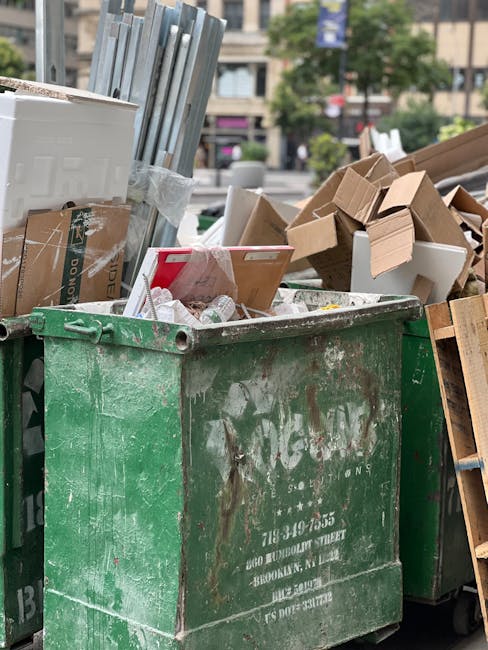
SW19 Bulk Rubbish Collection Guide for Wimbledon Households
If your home in SW19 is starting to feel crowded with broken furniture, old appliances, garden cuttings, or the sort of "I'll deal with that later" pile that somehow keeps growing, you are not alone. This SW19 bulk rubbish collection guide for Wimbledon households is here to make the whole process feel a lot less confusing. We will walk through what bulk rubbish collection means, when it makes sense, how the process typically works, what to watch out for, and how to choose the most practical route for your home.
Truth be told, most people do not need a lecture about rubbish. They need a clear plan. So let's keep this useful, local, and straightforward.
Table of Contents
- Why SW19 bulk rubbish collection guide for Wimbledon households Matters
- How SW19 bulk rubbish collection guide for Wimbledon households Works
- Key Benefits and Practical Advantages
- Who This Is For and When It Makes Sense
- Step-by-Step Guidance
- Expert Tips for Better Results
- Common Mistakes to Avoid
- Tools, Resources and Recommendations
- Law, Compliance, Standards, or Best Practice
- Options, Methods, or Comparison Table
- Case Study or Real-World Example
- Practical Checklist
- Conclusion
- Frequently Asked Questions
Why SW19 Bulk Rubbish Collection Guide for Wimbledon Households Matters
Bulk rubbish is not just "more rubbish". It is the awkward stuff: a sofa that will not fit in the car, a mattress that has seen better days, a fridge with a dodgy seal, a wardrobe from the spare room, or a garage full of mixed household clutter. In Wimbledon, homes can be a mix of flats, terraces, maisonettes, and larger family houses, which means access and storage space are often tight. That is where a bulk collection plan becomes genuinely helpful.
When bulky items linger, they take up room, attract dust, and make everyday life harder. A hallway with stacked bags is annoying enough; a broken armchair blocking access is worse. And if you are preparing for a move, a renovation, or a family clear-out, the pressure builds quickly.
This guide matters because it helps you make better decisions before the pile becomes a problem. It also helps you avoid common missteps, such as putting restricted items out incorrectly, overfilling a space, or booking the wrong type of service for the job.
Key takeaway: bulk rubbish collection works best when you know what needs removing, what can be recycled, and how to arrange access so the job runs smoothly the first time.
How SW19 Bulk Rubbish Collection Guide for Wimbledon Households Works
In practice, bulk rubbish collection is the organised removal of large, awkward, or heavy items from your home. For some households, that means a one-off clearance after a declutter. For others, it is part of a bigger project like a loft tidy, a house move, or post-renovation clean-up.
The process usually starts with identifying the items you want removed. Then you decide whether you need a small furniture pickup, a more general waste removal service, or a fuller household clearance. If the items are varied or there is a mix of furniture, appliances, and bagged waste, it is often easier to use a broad waste removal service rather than trying to split everything into separate bookings.
Some items need special handling. For example, old fridge units, freezers, and similar white goods are best dealt with through a proper fridge and appliance removal service because they can contain materials or components that should not be treated like ordinary household rubbish. Sofas and mattresses also often need dedicated handling, which is why many households look at mattress and sofa disposal when clearing bedrooms or living rooms.
Once the items are identified, the next step is access. In Wimbledon, that may mean a front-drive pickup, a narrow passage, stairs to a flat, or parking restrictions near the property. The clearer the access, the smoother the collection. Simple, but very true.
After collection, the waste should be sorted for reuse, recycling, or disposal. Good operators will separate recoverable materials where possible and deal carefully with anything that falls under specialist waste rules. If you are also trying to reduce landfill impact, it is worth understanding a provider's approach to recycling and sustainability.
Key Benefits and Practical Advantages
There is a practical side to all this that people sometimes overlook. Bulk collection is not only about getting rid of things. It is about making the home work better.
- It frees space quickly. This is the obvious one, but it matters. A clear hallway or spare room changes how a home feels immediately.
- It reduces DIY stress. You do not have to spend a weekend hiring a van, lifting awkward items, and figuring out where to take them.
- It helps during transitions. Moving home, downsizing, renting out a property, or preparing for renovations all get easier when excess clutter is gone.
- It can be safer. Fewer obstacles around the house means lower trip risk and less chance of damage when people are carrying things through tight spaces.
- It supports better sorting. A proper clearance process gives you the chance to separate donation-worthy, recyclable, and disposable items instead of sending everything out in one hurried rush.
There is also a mental benefit. A cluttered space can feel oddly heavy. Once the bulky stuff is out, the home often feels calmer. You notice the light again. Sounds a bit dramatic, maybe, but anyone who has cleared a packed room knows exactly what I mean.
Who This Is For and When It Makes Sense
Not every household in SW19 needs the same solution. A single broken sofa is different from a full-garage clear-out. The point is to match the service to the scale of the job.
This guide is especially useful if you are:
- moving out of a Wimbledon flat or house and need to clear bulky furniture
- clearing a loft, garage, or spare room that has become a storage overflow zone
- replacing old household items before new deliveries arrive
- sorting out inherited items during a sensitive house clearance
- dealing with post-renovation waste that is too much for standard bins
- trying to remove heavy items without risking injury or property damage
For larger clearances, you may find a more structured service easier to manage, such as house clearance or home clearance. If the problem is concentrated in one area, a targeted approach like garage clearance or loft clearance may be the better fit.
Households often delay bulk rubbish removal because the job looks bigger than it is. Then one Saturday turns into three. You know how it goes. Better to break it into one clear plan.
Step-by-Step Guidance
Here is a simple way to handle a bulk rubbish collection without making a mess of the process.
- Walk through the property first. Check every room, cupboard, landing, and storage space. Write down the bulky items and anything mixed in with them.
- Separate item types. Keep furniture, appliances, garden waste, and general rubbish in different mental piles if you can. It makes decision-making much easier later.
- Set aside restricted items. Things like hazardous materials or certain electricals need special treatment. Do not leave these to the last minute.
- Measure access. Stairwidth, hallway turns, lift size, parking distance, and entry points all matter. One small overlooked corner can turn into a frustrating delay.
- Choose the right service. If the load is mostly household clutter, a general waste removal booking may be enough. If you are clearing specific items, look at item-based services instead.
- Book a time that suits the property. A clear slot helps avoid clashes with neighbours, school runs, or other tradespeople.
- Prepare items for removal. Empty drawers, remove loose contents, and place accessible items near the exit where possible.
- Ask about sorting and disposal. It is worth knowing how reusable or recyclable materials will be handled. No need to be precious, but it is fair to ask.
If you are unsure whether a bulky item belongs in a standard collection, check the service fit before the day arrives. That tiny bit of planning saves a lot of faff.
Expert Tips for Better Results
These are the small things that make a bulk rubbish collection noticeably easier.
- Clear the route first. Move shoes, boxes, plant pots, and any easy-to-shift obstacles out of the way.
- Take photos of unusual items. If something is especially large, damp, damaged, or oddly shaped, a quick photo helps avoid surprises.
- Bundle similar items together. Mattresses with mattresses, cardboard with cardboard, garden waste with garden waste. It helps everyone stay organised.
- Be honest about weight. Heavy loads need realistic planning. A wardrobe full of books is not the same as a hollow one. Obvious, but people forget.
- Think about timing. Morning collections can be easier if you want the rest of the day back for cleaning or decorating.
- Plan around neighbours. In blocks of flats or close terraces, a quiet, tidy collection is just kinder all round.
One simple but underrated tip: label what is staying and what is going. A sticky note on a door or a quick line of tape can prevent accidental removal. It sounds small, but in a busy house it can save a headache.
Expert summary: the best bulk rubbish collection is usually the one that is clearly sorted, easy to access, and matched to the actual type of waste rather than the biggest pile you can describe.
Common Mistakes to Avoid
Bulk rubbish jobs go wrong for predictable reasons. The good news? Most of them are easy to avoid.
- Leaving everything mixed together. Mixed loads can slow the job and create confusion about what should be handled how.
- Forgetting about access restrictions. Wimbledon streets and residential blocks can be tight. Parking and carrying distances matter more than people expect.
- Ignoring specialist waste. Not everything can be treated as ordinary household rubbish. Hazardous items need separate handling.
- Underestimating volume. That "small pile" in the spare room has a funny habit of becoming a van load once measured properly.
- Booking the wrong type of clearance. A full house clearance is not always needed, but neither is a one-item pickup when you have three rooms' worth of clutter.
- Leaving it to the last minute. If you are moving, renovating, or waiting for new furniture, late booking can force rushed decisions.
There is also the classic mistake of assuming a skip is always the simplest answer. Sometimes it is. Sometimes it is not. Space, permits, lifting, and waste type all shape the decision.
Tools, Resources and Recommendations
You do not need a toolbox of fancy equipment to handle bulk rubbish well, but a few practical items can help:
- Measuring tape for checking furniture size and access points
- Marker labels or tape for separating keep, donate, and remove piles
- Sturdy gloves for light sorting and protection against rough edges
- Old sheets or blankets to protect floors and doorframes while shifting awkward items
- Torches or phone lights for lofts, under-stairs areas, or dark garages
For households comparing service types, useful nearby pages include furniture clearance, furniture disposal, and mattress and sofa disposal. If the job is more of a full-property reset, home clearance or flat clearance may be more appropriate.
And if you are simply trying to understand whether a skip would suit your project better, the page on what can go in a skip is a sensible place to start. It is the sort of guide that can save a lot of second-guessing later on.
Law, Compliance, Standards, or Best Practice
For householders, the main thing is to use a responsible waste carrier and avoid leaving waste with anyone who cannot explain where it will go. In the UK, household waste still needs to be handled in line with proper waste management expectations, and specialist items should be treated with care. You do not need to become an expert in waste law, but you should be cautious about who removes rubbish from your property.
Best practice includes:
- checking that the provider can explain how waste is handled
- keeping hazardous items separate from ordinary household rubbish
- avoiding fly-tipping by using a legitimate collection route
- making sure any electrical or special items are dealt with appropriately
- keeping records or confirmation of the booking where useful
It is also sensible to look for providers that take safety seriously. Pages such as health and safety policy, insurance and safety, and payment and security can help build confidence before you book. That might sound a bit formal for a rubbish job, but honestly, it matters.
If you have anything sensitive to dispose of, especially paperwork or personal files during a house sort-out, a confidential shredding option can be useful. Better safe than sorry, as they say.
Options, Methods, or Comparison Table
There is no single best method for every Wimbledon household. The right choice depends on the type of waste, how much there is, and how quickly it needs to go.
| Option | Best for | Strengths | Watch-outs |
|---|---|---|---|
| Bulk rubbish collection | Mixed large household items | Convenient, fast, suitable for awkward loads | Needs accurate description of items and access |
| Furniture-specific removal | Sofas, tables, wardrobes, beds | Clear and efficient for bulky items | May not suit mixed waste from a whole room |
| Full home or house clearance | Large declutters, moves, probate, downsizing | Very practical for bigger projects | Can be more than you need for a small job |
| Skip-based disposal | DIY waste or mixed rubbish with space available | Flexible for ongoing loading | Requires space and careful loading |
| Specialist appliance or hazardous disposal | Fridges, freezers, risky or restricted items | Safer and more compliant | Not suitable as a general dump-all option |
If you are choosing between methods, start with the waste type. That usually gives you the answer faster than comparing everything else.
Case Study or Real-World Example
Picture a Wimbledon household clearing a first-floor flat after years of "temporary" storage. There is a sofa that no longer fits the room, a mattress leaning behind a wardrobe, two broken chairs, a fridge that stopped cooling ages ago, and a stack of bagged household clutter in the hallway. Not dramatic, just very normal.
The first step is sorting the items by type. The sofa and mattress can be grouped as bulky furniture. The fridge needs appliance handling. The random bags are fine as general waste, but only if they are clearly separated and manageable. Once the items are categorised, the access route is checked: stairs, narrow landing, a front entrance with limited waiting space. Nothing impossible, but enough to matter.
By treating it as a planned clear-out rather than "some rubbish to get rid of", the household avoids last-minute confusion. The items are moved in one organised visit, the flat feels bigger immediately, and the family can get on with decorating. That is usually how the best jobs go. Calm, not chaotic.
In our experience, the difference between a stressful collection and an easy one is almost always preparation, not luck.
Practical Checklist
Use this checklist before your collection day.
- List all bulky items that need removing
- Separate furniture, appliances, and general waste
- Set aside anything hazardous or specialist
- Check doorways, stairs, lifts, and parking access
- Measure large or awkward items if needed
- Clear a route from the items to the exit
- Remove personal belongings from drawers, cupboards, and appliances
- Label what is staying if there is any risk of confusion
- Confirm the booking details and arrival window
- Have a plan for cleaning the space afterward
If you are tackling more than one space, it can help to work room by room. Loft first, maybe. Then garage. Then the spare room. Small wins add up fast.
Conclusion
Bulk rubbish collection should feel practical, not complicated. For Wimbledon households in SW19, the real goal is to clear space safely, handle items properly, and avoid the hassle that comes from doing everything at the last minute. Once you know what you are removing and what type of service fits the job, the rest becomes much easier.
Whether you are clearing one bulky item or a whole home's worth of clutter, the smartest approach is to sort early, check access, and choose a service that matches the waste rather than guessing. That simple bit of planning can save time, stress, and a few unnecessary back-and-forths.
Get a free quote today and see how much you can save.
And if the house feels a bit lighter afterwards, well, that is not a bad feeling at all.
Frequently Asked Questions
What counts as bulk rubbish in a Wimbledon household?
Bulk rubbish usually means large or awkward household items that will not fit in ordinary bins, such as sofas, wardrobes, mattresses, appliances, or mixed clutter from a room or garage.
Do I need a full house clearance for just a few large items?
Not usually. If you only have a handful of bulky items, a smaller removal service is often more practical than booking a full clearance. The key is matching the service to the actual load.
Can old furniture be collected from flats as well as houses?
Yes, but access matters more in flats. Stairwells, lifts, parking, and narrow hallways can all affect how the collection is carried out, so it helps to describe the layout clearly.
What should I do with a broken fridge or freezer?
Fridges and freezers should be handled separately from normal household waste. A dedicated appliance removal service is the safer and more sensible option.
Can I put a sofa or mattress out with general rubbish?
It is better not to assume that will work. Sofas and mattresses are bulky items that often need a specific disposal route, especially if you want the job handled properly and cleanly.
How do I prepare items for collection?
Empty them first where possible, remove personal belongings, and clear a path to the exit. If you can group similar items together, that usually helps the collection run more smoothly.
What if I have some items that might be hazardous?
Keep them separate and do not mix them into the general pile. Hazardous materials should be treated as specialist waste, and if in doubt, ask before collection day.
Is bulk rubbish collection better than hiring a skip?
It depends on the job. Bulk collection is often easier for large items or mixed household loads, while a skip can suit ongoing DIY waste or projects with enough space on site. There is no one-size-fits-all answer.
How can I keep costs down when clearing bulky household waste?
Sort items in advance, avoid mixing specialist waste with general rubbish, and choose the right service size. Clear access also helps because it keeps the job efficient.
What happens to the waste after it is collected?
Where possible, it should be sorted for reuse, recycling, or proper disposal. Responsible handling is part of the job, not an optional extra.
Do I need to be home for the collection?
Often yes, especially if access needs to be arranged or if there are items that need to be confirmed on site. Some jobs are simpler when someone is there to point out what goes and what stays.
What is the best first step if I am unsure where to begin?
Start with a room-by-room sort. It sounds basic, but it clears the fog quickly. Once you see the items grouped, the right disposal route becomes much easier to choose.
For more about the people behind the service, you can also visit about us or, if you are ready to arrange the next step, see the book online page.